
Positive Cultural Engagement: Why Christian Leaders Need to Stay in the Conversation

There is a question I hear often from Christian leaders, business owners and professionals.
Does God really care about what I do from Monday to Friday?
We usually have little trouble believing that God cares about our family, our church, our character and our spiritual life. But what about a board meeting? A hiring decision? A difficult conversation with an employee? The company we are trying to build? The technology changing our industry? The opportunity we are considering next?
I believe the answer matters because the moment we separate our faith from our work, we begin living two different lives.
That was one of the strongest themes in my recent Monday Movement conversation with Joshua Auld, Chief Operating Officer at FORM, the not-for-profit behind the ASPIRE Conference. Joshua previously served as General Manager of the Lachlan Macquarie Institute, where he helped form Christian leaders for politics, culture and public life. His own career has moved through technology, business, leadership development and civic engagement.
In our conversation, three ideas stood out to me. They are particularly relevant for anyone trying to lead well while remaining faithful to God.
In my conversation with Joshua Auld, we explored what positive cultural engagement looks like in real leadership, work and public life.
1. Your work is not separate from your calling
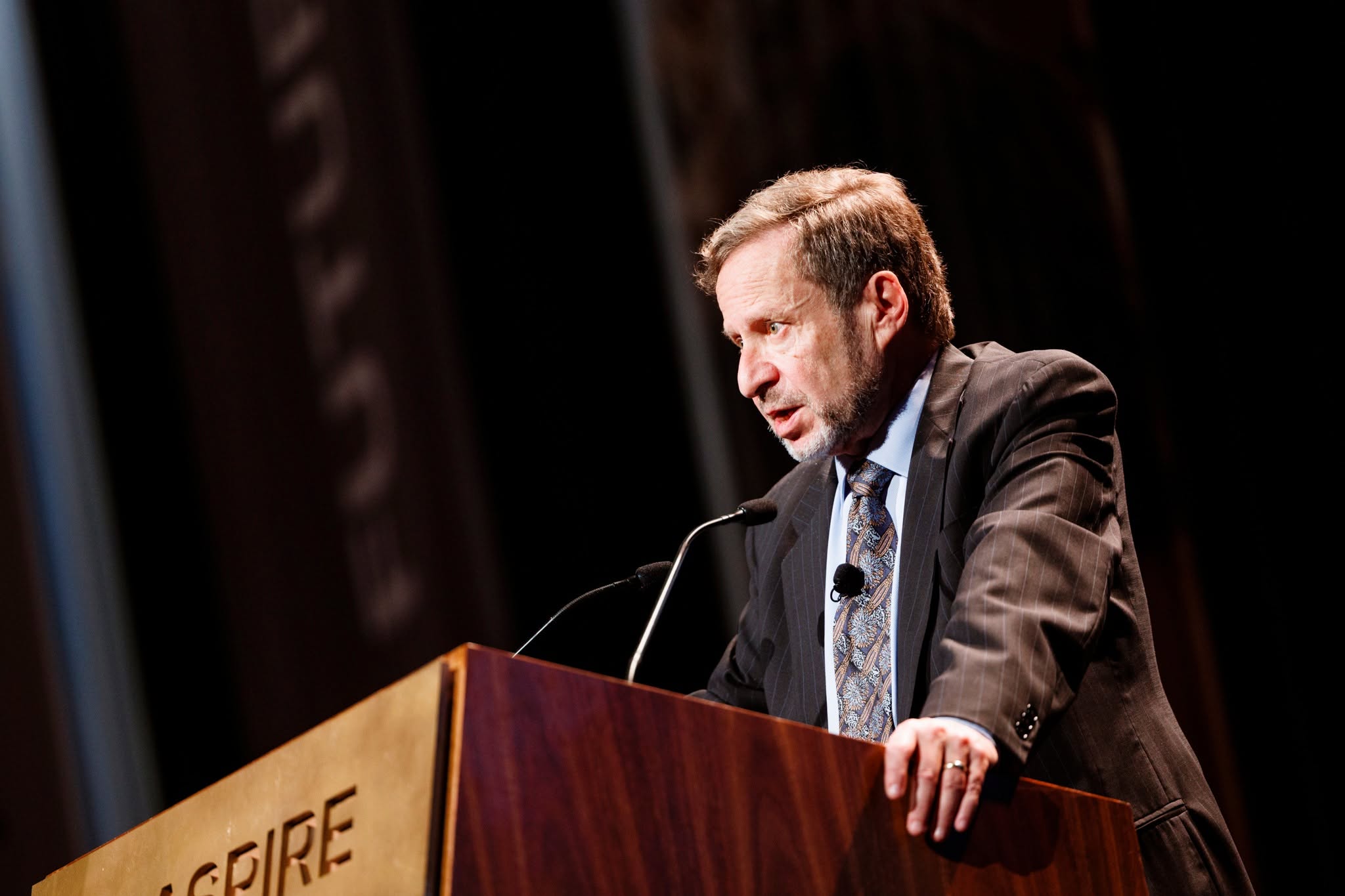
One of Joshua's clearest statements was also one of the simplest: God is incredibly interested in your work.
His reasoning takes us back to the beginning. Work existed before the fall. It was not introduced as punishment. That should change how we think about the hours we spend building businesses, leading teams, solving problems and serving customers.
We often fall into one of two traps.
We live to work, allowing achievement to become our identity.
Or we work to live, treating our career as something we endure so we can get to the parts of life that really matter.
Neither gives us a complete picture.
For a Christian leader, work is part of an integrated life. Your faith does not disappear when you enter the office. Your values should shape the way you negotiate, hire, fire, invest, communicate and make difficult decisions.
Joshua made a point that I think churches and leaders need to hear. Young Christians are often encouraged to consider becoming pastors, which is important. But how often does someone put a hand on the shoulder of a gifted young person and ask, “Have you ever thought about starting a business?” Joshua argues that Christians are called to contribute to society, and business is one legitimate way of doing that.
That is marketplace ministry in its most practical form.
It does not mean turning every staff meeting into a Bible study. It means leading in a way that reflects what you believe.
Character matters before position.
Integrity matters when nobody is watching.
Excellence matters because other people are affected by the quality of our work.
And leadership is not mainly about status. It is responsibility for people, resources, decisions and influence.
The question is not simply, “Is my job Christian enough?”
A better question is, “Am I being faithful with the work and influence I have been given?”
2. You do not need the whole plan to take the next faithful step

Leaders like certainty.
We build forecasts. We create strategy. We set targets. We assess risk.
Then life refuses to follow the spreadsheet.
Joshua's story of moving from the Lachlan Macquarie Institute into his current role is a useful example.
He sensed that one season was coming to an end before he knew what the next one would look like. Rather than mentally leaving his current role or waiting passively for something to happen, he continued to work with excellence while preparing himself for what might come next.
That distinction matters.
Waiting is not the same as preparing.
Joshua sought counsel. He prayed. He continued learning. He completed further study. He took time away to think carefully about his strengths, his priorities and the kind of work he believed God was drawing him towards.
He described taking two days alone in the mountains to read, walk, write and reflect. He did not come away claiming to have received a dramatic answer. Instead, he gained greater clarity about who he was, what mattered to him and what he believed God had placed on his heart.
That is a mature approach to discernment.
Sometimes we expect clarity to arrive before obedience.
Often it works the other way around.
We take the wisest step we can see, then reassess.
Joshua had even turned down a similar opportunity a year earlier because, after prayer and counsel, he believed the answer at that time was no. Later, another opportunity came.
As we discussed in the vodcast, God often does not show us ten steps ahead. He gives us the next step.
For leaders, this is where faith and good leadership practice meet.
Faith does not mean ignoring evidence or wisdom.
And strategy does not mean eliminating the need for faith.
Good decisions usually involve both.
Pray. Seek counsel. Understand the facts. Prepare. Stay faithful where you are. Then, when there is enough clarity to move, move.
The goal is not perfect certainty.
It is faithful action.
3. Positive cultural engagement means showing up, not withdrawing

The third idea is about influence.
Joshua and I discussed whether Christians have a responsibility to engage the different parts of society around them.
His answer was clear.
He believes Christians should be present across the different spheres of society and see that engagement as part of ministry. He described the workplace as a place where Christians should remember that they are also “an ambassador for another kingdom”.
This becomes particularly important when an area becomes complicated or uncomfortable.
Politics is one example.
Technology is another.
Artificial intelligence may be one of the clearest examples today.
Joshua's background is in technology, so I was interested in his response to the fear some Christians have around AI. He is not blindly optimistic about technology. But neither does he believe Christians should simply walk away from it.
His point was essentially: get involved.
AI companies are already wrestling with questions about morality, ethics, truth and what it means to be human. Those are not merely technical questions. They are deeply human questions, and Christians have something useful to bring to them.
There is a wider leadership principle here.
You cannot influence a conversation you refuse to enter.
If thoughtful Christians continually withdraw from business, technology, education, politics and culture because those spaces are difficult, we should not be surprised when those spaces develop without Christian thought, character or wisdom.
Positive cultural engagement does not mean shouting louder.
It does not mean trying to control everyone else.
It means being present, competent, thoughtful and willing to contribute.
Joshua also made an important observation about change. Large institutions and policies matter, but meaningful change often starts with individuals who understand the problem, find other good people, build a clear vision and begin doing something useful.
That should encourage leaders.
Your sphere of influence may be smaller than you want.
It is still yours.
You may lead five people rather than 5,000.
Lead the five well.
You may not be able to change an industry.
You can change the experience of the customers, employees and suppliers you deal with today.
Leadership starts with responsibility for what is already in your hands.
What positive cultural engagement looks like in practice
There are several things Christian leaders can take from this conversation.
-
Stop separating faith and work. Ask how your beliefs should affect the actual decisions on your calendar this week.
-
Stay faithful in the current season. Do not mentally resign from today because you are hoping for something different tomorrow.
-
Prepare before the opportunity arrives. Build capability, study, seek feedback and develop the character the next level of responsibility will require.
-
Seek wise counsel. Important decisions become clearer when trusted people are allowed to challenge our assumptions.
-
Take the next responsible step. You do not need complete visibility before you move. You need enough clarity to act wisely and faithfully.
-
Do not abandon difficult spaces. If your industry, organisation or community is facing complex questions, consider whether your job is to contribute rather than retreat.
There is another important measure of leadership underneath all of this.
Results matter. I have spent enough of my life in business to know that they matter a great deal.
But results are not the only measure.
Joshua reflected on people in public life whose work may later be undone by someone else. Businesses close. Strategies change. Political terms end. Even successful organisations rarely last forever.
Yet that does not make faithful work meaningless.
Joshua described our work as improving our own small “patch of creation”. God can use work that seems temporary for the good of the people around us.
That gives Christian leaders a healthier definition of success.
Build well.
Lead well.
Produce good results.
But also pay attention to the person you are becoming and the people affected by your leadership.
Faith is not only for Sunday
This is the heart of Monday Movement.
Positive cultural engagement begins when we stop treating faith as one part of life sitting beside work, leadership, money, relationships and influence.
Faith should run through all of them.
The decisions we make on Monday matter.
So does the way we treat people on Tuesday.
So does the courage to say no to an opportunity that is wrong for this season, or yes when the next step becomes clear.
So does the decision to stay involved in a changing industry rather than criticise it from a distance.
Christian leadership is not about adding religious language to ordinary leadership.
It is about becoming the kind of leader whose faith changes how they actually lead.
So perhaps the useful question this week is not, “What is God calling me to someday?”
It may simply be:
What has God already placed in my hands, and what would it look like to lead it faithfully today?
About Joshua Auld
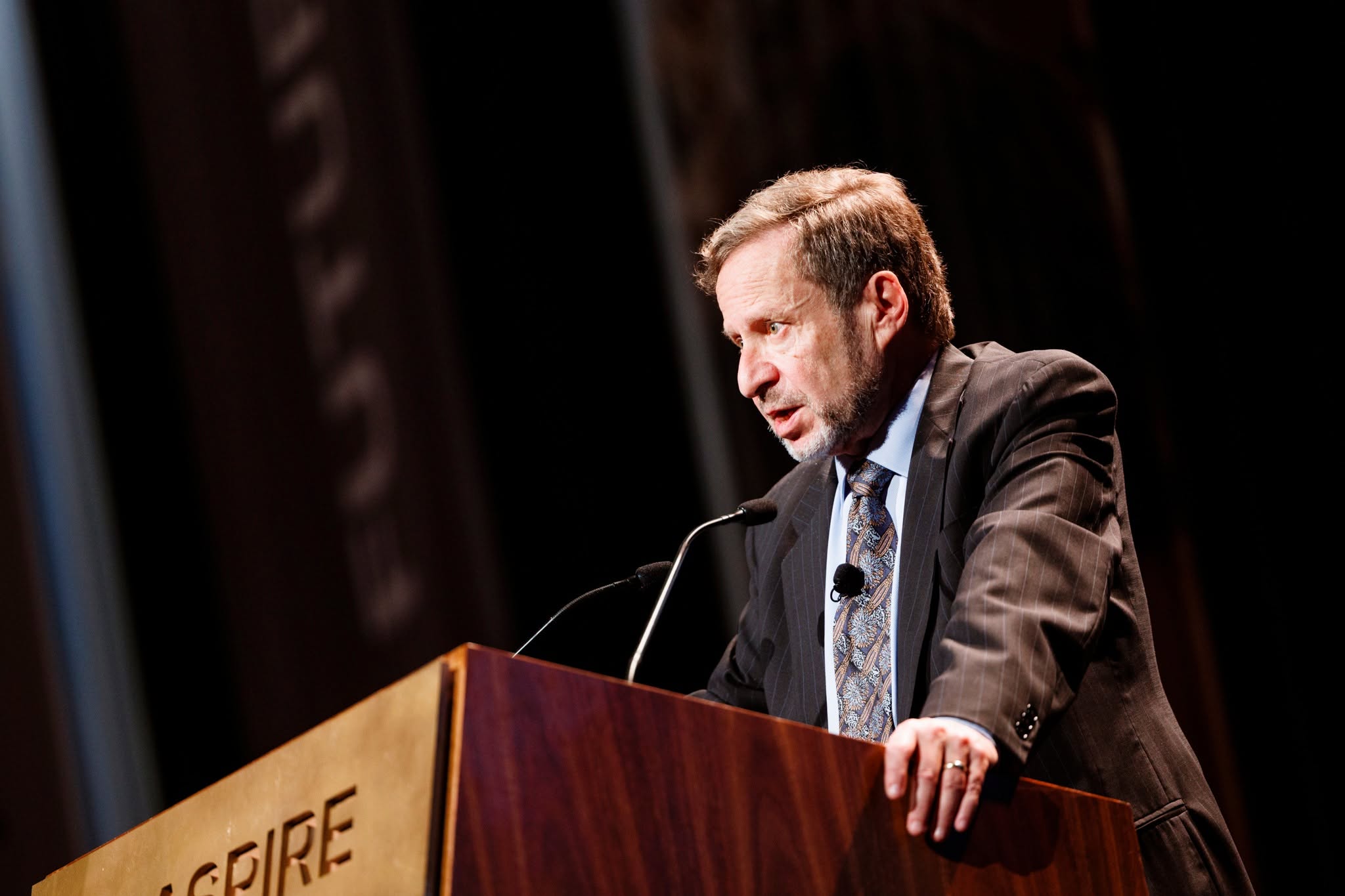
Joshua Auld is Chief Operating Officer at FORM, the not-for-profit behind the ASPIRE Conference. He previously served as General Manager of the Lachlan Macquarie Institute, where he helped equip Christian leaders to engage wisely and faithfully in politics, culture and public life.
Joshua's experience spans technology, business, leadership development and civic engagement. An MBA graduate, he is passionate about helping Christians understand their sphere of influence and contribute positively to the communities, organisations and industries around them.
His work reflects a key theme explored throughout this conversation: Christian calling is not limited to traditional ministry. Business, leadership, technology, politics and everyday work can all become places where faith is lived out with wisdom, integrity and purpose.
Learn more about ASPIRE: aspireconference.org.au
Connect with Joshua on LinkedIn: Joshua Auld on LinkedIn
About Mark Bilton

Mark Bilton is a six-time CEO, experienced business leader and host of the Monday Movement Vodcast. Throughout his career, Mark has worked with leaders, founders and organisations to help them create greater clarity, strengthen leadership and build businesses that perform without losing sight of people, character and purpose.
Through Monday Movement, Mark explores what it means for Christians to live an integrated life where faith is not confined to Sunday. His conversations focus on the real decisions leaders face in business, work, relationships, culture and public life, and how Christian faith can shape the way those decisions are made.
Mark's approach to leadership is practical and grounded. He believes leadership is about responsibility rather than status, that character matters before position, and that good leaders combine clarity, wisdom, preparation and integrity with the courage to act.
Explore Monday Movement: mondaymovement.com
